Deutsch
 Türkçe
 Español
 Nederlands
 Français
 Svenska

Liposuction in Turkey is a popular cosmetic procedure that removes stubborn fat deposits resistant to diet and exercise. By targeting areas such as the abdomen, thighs, hips, arms, or chin, it helps sculpt and reshape the body for a more balanced and proportionate appearance.
Liposuction cost in Turkey is significantly more affordable than in many Western countries, making it a preferred choice for patients seeking high-quality results at competitive prices. Costs vary depending on the number of areas treated, the technique used, and the level of hospital and aftercare services.
Liposuction results in Turkey are long-lasting when paired with a healthy lifestyle and stable weight. The procedure delivers a slimmer silhouette, improved body contours, and enhanced self-confidence without altering the natural body structure.
Liposuction reviews in Turkey consistently reflect high patient satisfaction with the noticeable yet natural improvements. Candan Mezili is one of the best surgeon for liposuction in Turkey, offering personalized treatment plans and precise techniques to ensure safe and aesthetically pleasing outcomes.
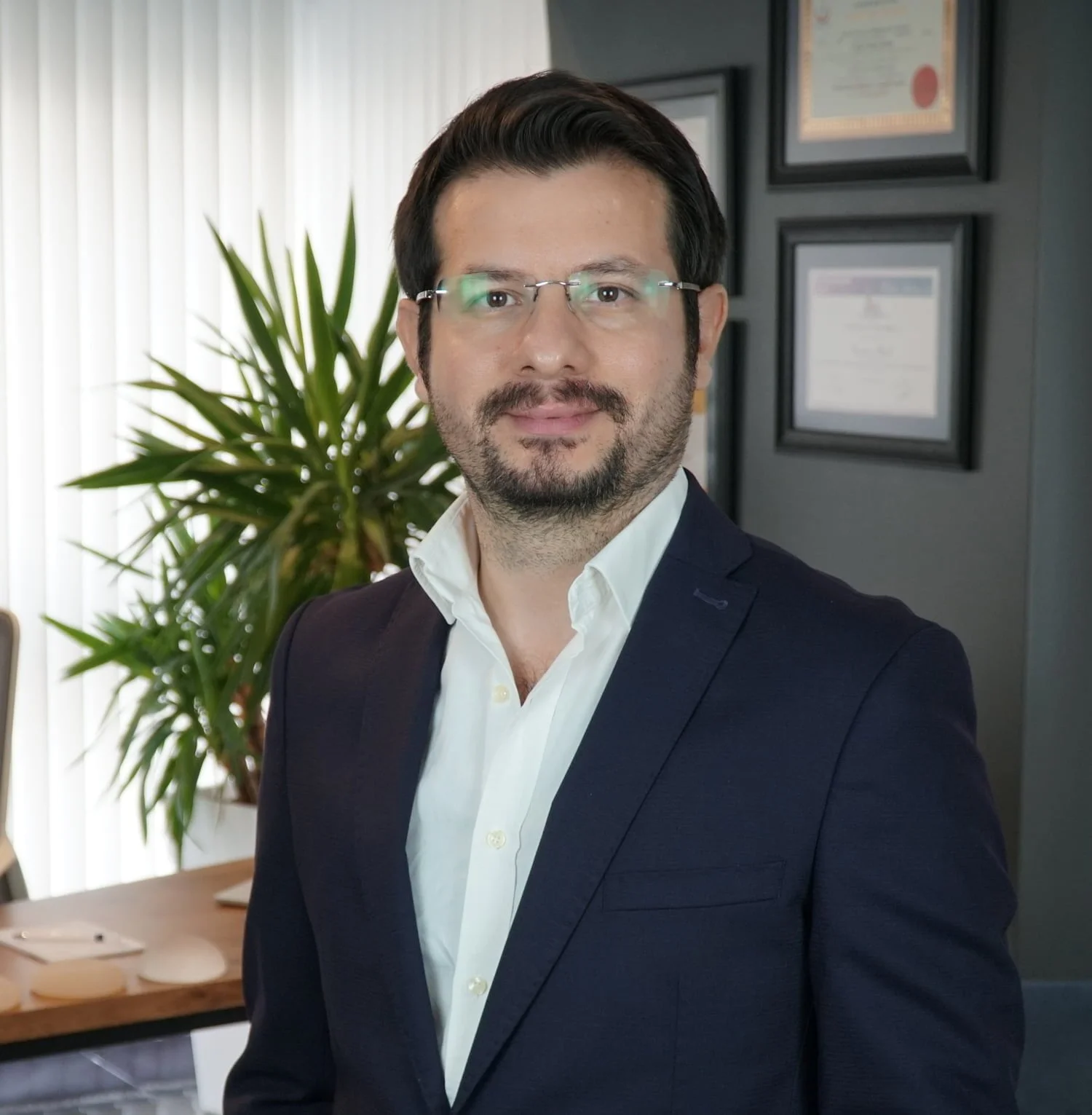
Izmir Plastic and Aesthetic Surgery
Op. Dr. Candan Mezili
I graduated from Ankara University Faculty of Medicine in 2005, and in the same year, I began my specialization training in Plastic, Aesthetic and Reconstructive Surgery at Ege University Faculty of Medicine. The ability to reshape and use imagination in plastic surgery were the key factors that directed me to this field. During my specialization, I had the opportunity to perform countless surgeries with many esteemed professors. I am currently practicing in my own clinic in Izmir.
Steps of the Liposuction Procedure
The liposuction process begins with the surgeon determining the amount of fat to be removed based on the patient’s condition. This operation, which lasts approximately 1-3 hours, starts with marking the area to be treated. Photos taken before the operation help in evaluating the results. Anesthesia, either general or local, is administered depending on the patient’s preference and health status. The following solution is then injected into the area:
- Lidocaine: Prevents pain.
- Epinephrine: Constricts blood vessels and reduces bleeding.
- Physiological saline and bicarbonate: Numbs and firms the area.
After these preparations, 1-2 mm incisions are made in the skin, and cannulas are inserted. These cannulas, connected to a vacuum machine, facilitate the suction of fat. During the operation, the vacuum tube is moved to break down and rapidly remove the fat. Post-surgery, the incisions are left open for a while to allow fluid drainage and prevent edema. After the procedure is completed, the incisions are stitched and the area is bandaged.
Eligibility for Liposuction
Liposuction is preferred for reducing localized fat deposits and is not intended for general weight loss. Therefore, individuals are expected to reach their ideal weight through diet and exercise first. However, in cases where certain fat deposits cannot be eliminated through these means, liposuction can be performed. This operation is suitable for individuals in good overall health.
People not suitable for liposuction include:
- Those with heart disease
- Diabetics
- Those with systemic health issues
Individuals with these conditions must consult a physician and undergo necessary tests. Additionally, liposuction is not recommended for pregnant women or those who have recently given birth. For older individuals, reduced skin elasticity may make this method unsuitable.
*We recommend filling in all fields to ensure the best response.
Recovery Process After Liposuction
The recovery process after liposuction must be managed carefully. Resting in the days following the surgery is essential. Patients can generally return to work and social activities within a few days. The operated area is protected with bandages for a certain period, and special compression garments are used. Adequate fluid intake and a balanced diet are important for speeding up recovery. Antibiotics and painkillers prescribed by the doctor help reduce infection risk and ensure a comfortable recovery.
Key points for recovery include:
- Bandage and compression garment use: The treated area should be supported for 4 to 8 weeks.
- Rest and fluid intake: Resting for the first few days and drinking plenty of water is necessary.
- Balanced diet: A diet rich in vegetables, fiber, and low-fat proteins supports healing.
- Medication: Using prescribed painkillers and antibiotics is important.
During this period, heavy lifting and intense exercises should be avoided. Additionally, avoiding harmful habits like alcohol and smoking will result in better outcomes. Following these steps can lead to a smooth and quick recovery after liposuction.
Body Areas Suitable for Liposuction
Liposuction addresses different areas of fat accumulation in men and women. Women often target areas like:
- Hips
- Abdomen
- Buttocks
Men usually seek liposuction for areas such as:
- Back
- Abdomen
- Chest
- Love handles
Thanks to technological advancements, liposuction can be applied to a wider range of areas. For example, it can reduce fat in women\’s underarm areas and treat difficult-to-slim areas like under the chin. These procedures use methods that leave no scars, providing an aesthetic appearance. Laser lipolysis, particularly when applied to the armpit area, can also reduce sweating, offering a more comfortable lifestyle.
Liposuction Techniques and Types
Advances in medical technology have expanded the range of liposuction methods, including:
- Suction-Assisted Liposuction (SAL): Uses a special fluid injected into the area to prepare the fat tissue for removal. This method can be performed under general or local anesthesia.
- Ultrasonic Liposuction (UAL): Targets fat cells using ultrasonic waves, allowing fat removal without damaging surrounding tissues.
- Power-Assisted Liposuction (PAL): Uses moving cannulas, making it effective for removing fat from large areas.
- Water-Assisted Liposuction (WAL): Uses water injection to liquefy fat before suctioning.
- Radiofrequency-Assisted Liposuction (RFAL): Uses laser technology to remove subcutaneous fat while tightening the skin with heat.
These methods can be tailored to the patient’s needs and expectations. The patient’s health condition and the doctor’s recommendations are crucial in choosing the appropriate method.
Risks of Liposuction
Like any medical procedure, liposuction carries certain risks. Uneven fat removal can lead to a wavy or sagging appearance of the skin, which may sometimes be permanent. Additionally, fluid accumulation (seromas) under the skin can occur, usually requiring needle drainage. Treated areas may experience numbness, which can be temporary or permanent. Although the risk of infection is low, serious infections can be life-threatening. Rarely, the cannula used in the procedure can penetrate too deeply and damage internal organs, requiring emergency intervention.
Potential risks include:
- Contour irregularities: Uneven appearance of the skin.
- Fluid accumulation: Formation of seromas under the skin.
- Numbness: Temporary or permanent loss of sensation.
- Infection: Skin infections and their complications.
- Internal perforation: Organ damage during surgery.
- Fat embolism: Fat particles blocking blood vessels.
- Kidney and heart issues: Fluid loss from extensive fat removal.
- Lidocaine toxicity: Potential side effects from the anesthetic.
The complexity of the procedure and the number of areas treated simultaneously can increase the risk of complications. A detailed discussion with the surgeon is recommended to understand the individual risks.
Liposuction for Morbidly Obese Individuals
Liposuction is not recommended for weight loss in individuals with morbid obesity. This method targets only a small portion of the total body fat and allows for limited fat removal. The procedure is limited to extracting up to 5% of body weight. For example, a person weighing 100 kilograms can have a maximum of 5 liters of fat removed. Larger amounts of fat removal are reserved for special cases, including:
- Individuals with slow metabolism,
- Those who cannot lose weight due to various health conditions,
- Individuals not suitable for other surgical interventions like gastric reduction.
These cases require special conditions for liposuction. However, it is used for body contouring rather than weight loss. Without changes in eating habits and lifestyle, the fat removed can quickly return. Therefore, liposuction is not a permanent solution for morbidly obese patients.
Liposuction Is Not a Substitute for Diet and Exercise
Liposuction should not be viewed as an alternative to diet and exercise. This perception is unrealistic. Liposuction is suitable for individuals who are close to their ideal weight but have stubborn fat deposits in specific areas. The procedure is recommended by doctors after a thorough assessment of the patient\’s overall health and lifestyle.
- It is suitable for areas where weight loss through diet and exercise is difficult.
- Healthy eating and regular exercise are essential before and after the surgery.
- It is not recommended for patients with a tendency to regain weight.
Ultimately, liposuction cannot replace diet and exercise. It should be seen as an additional step for aesthetic corrections. Patients should consider such surgery only after adopting healthy lifestyle changes. Liposuction is recommended under specific conditions and for suitable candidates only.
Impact of Liposuction on Stretch Marks
Liposuction does not directly affect stretch marks as it focuses on removing fat cells, not improving skin structure. The skin consists of two main layers: the upper epidermis and the thicker dermis below. Stretch marks occur when the elastic fibers of the dermis are damaged, often due to rapid weight changes or hormonal effects.
Causes of stretch marks include:
- Rapid weight gain or loss,
- Hormonal changes,
- Use of certain medications.
During liposuction, fat is removed using thin cannulas, which do not affect the dermis layer. Therefore, liposuction cannot improve the appearance of existing stretch marks. Patients seeking improvement for stretch marks should consider other treatments that promote skin regeneration. Therefore, liposuction is not recommended for patients expecting improvement in stretch marks.
Risk of Fat Reaccumulation After Liposuction
Although a significant portion of fat cells is removed from specific areas during liposuction, fat can reaccumulate in other areas of the body. This can affect the overall distribution of fat. For instance, if fat is removed from the waist, this area may maintain its new shape, but other areas like the hips or abdomen may become more prone to fat accumulation.
Post-surgery weight control is very important:
- Adopting healthy eating habits,
- Maintaining regular physical activity.
These measures are critical to prevent new fat deposits. Patients’ lifestyle choices after liposuction help preserve the results achieved.
Why is Turkey the Best Option for Liposuction Surgery Compared to Abroad?
Izmir is one of the cities with the highest number of liposuction operations. The results of liposuction, according to those who have had it, are satisfactory.
Furthermore, both domestic and international patients prefer Izmir surgeons for this procedure. Doctors will contact you by presenting information. Based on this understanding, you will know what to look out for before liposuction.
That is why you should go with Turkey. Because you will be aware of every step of your transaction. Doctors will inform you about the process before it begins, not during it. You will not have time to experience emotions such as fear or anxiety.
Is Turkey Good for Liposuction?
Liposuction allows the body to be sculpted by thinning the subcutaneous fat layer in the person\’s surplus parts. Although liposuction aids in weight loss, it is not a weight loss procedure; rather, it is a body contouring procedure.
Men and women both want it nowadays. Turkish doctors will do it for you. They are continuously striving to be the best for you. Of course, not all doctors are the same. But every doctor has knowledge and experience here.
There is no other country that can surpass Turkey in liposuction. Because the best country, you will not find the best treatment anywhere else.
Is it Safe to Have Liposuction Izmir in Turkey?

- Dr. Candan Mezili is doing operation in Izmir, Turkey

Liposuction has no recognised side effects. It should be noted that it has a psychological impact, as it is discouraging for individuals who use the application to lose weight.
In addition, smokers may experience some negative effects during and after the procedure. This causes patients to doubt the safety factor. However, after the doctor, your level of trust is entirely dependent on you.
Your Turkish doctor will advise you on what you should and should not do. It is entirely up to you whether or not to do so. But overall, the process is safe. Doctors take their precautions by considering everything.
Why is Turkey Cheap for Liposuction?
Liposuction costs vary depending on the experience of the Turkish plastic surgeon performing the procedure, the quality of the cosmetic centre where the procedure will be executed, the size of the area to be done on, and the amount of fat to be removed.
But Turkey is the country where all transactions are cheapest around the world. We say this candidly. Because we have made our comparisons and the results are before our eyes.
That\’s why we can easily tell you that Turkey is cheap. All our research proves it to us. We share these results with you. Cause that\’s our job.
What is the success rate of Liposuction in Turkey?
A study showcased in the Aesthetic Surgery Journal examined 31,010 liposuction surgeries and found a major complication occurrence of only 0.7%. The main complications identified were blood collections under the skin (hematomas), lung-related issues, infections, and blood clots in veins. On a related note, the Cleveland Clinic\’s Consult QD cites another study which observed an overall complication rate of 2.4% in liposuction procedures. This percentage was noted to increase to 3.5% when liposuction was conducted in conjunction with other surgeries. These figures point to liposuction being a procedure with a relatively low risk, though the risk escalates when it is combined with other surgical operations. This information is vital for those considering liposuction, especially when planning to undergo multiple cosmetic procedures simultaneously.
How many people get Liposuction in Turkey?
According to the American Society of Plastic Surgeons, the number of liposuction procedures conducted in 2022 totaled 325,669. This figure represents a significant increase in the popularity of this cosmetic surgery, marking a 23% rise from the pre-pandemic numbers recorded in 2019. Liposuction, a procedure aimed at removing excess fat from specific body areas, has evidently gained increased acceptance and demand in recent years. The surge in these procedures reflects changing attitudes towards cosmetic surgery and possibly an increased focus on personal appearance following the pandemic period.
How Much Does Liposuction Cost in Izmir, Turkey?

- All-inclusive-package for cosmetic surgery in Turkey

| Country | Average Cost of Liposuction (EUR) |
|---|---|
| Germany | €4,000 – €12,000 |
| United Kingdom | €3,000 – €8,000 |
| France | €3,500 – €10,000 |
| Italy | €3,000 – €8,000 |
| Spain | €2,500 – €7,000 |
| Netherlands | €4,000 – €10,000 |
| Switzerland | €5,000 – €15,000 |
| Belgium | €3,500 – €10,000 |
| Turkey | €2,000 – €6,000 |
Although there are many doctors in Izmir who are experts in this field, liposuction surgery costs in Izmir vary depending on the hospital and surgeon who performs it.
Liposuction, or fat removal surgery, is a technique that enables the body\’s fat masses to be broken down and removed by vacuuming.
As a layer of stubborn fat spreads over their bodies, the kind that people who are overweight or who lose weight can never get rid of, it is impossible to get rid of it on its own. Izmir, like many other important cities, is a hub for the medical community.
Izmir is at the top of this list if you want to receive the best care and treatment. Our doctors, who are authorities in their fields, can provide you with information about liposuction costs in Izmir.
Frequently Asked Questions
In which areas can liposuction be performed?
Liposuction can be applied to various areas of the body to reduce stubborn fat deposits and improve contours. It is commonly performed on the abdomen, waist, hips, flanks (love handles), back, chest (for gynecomastia treatment in men), upper arms, buttocks, thighs (both inner and outer), knees, calves, ankles, neck, and under the chin. Each area responds differently to liposuction, and the procedure is usually tailored to the patient’s needs to achieve a balanced and proportional appearance.
Is liposuction a weight loss method?
Liposuction is not a weight loss method; it is a cosmetic procedure designed to remove localized fat deposits and sculpt body contours. Patients typically lose only about 2–5 kilograms overall, as the procedure targets stubborn fat deposits rather than causing a general reduction in body weight. The amount of fat removed depends on the area and volume treated; procedures that remove more than 5 liters of fat are defined as large-volume liposuction. In 2022, liposuction was the most frequently performed cosmetic surgery in the USA with 325,669 procedures—a 23% increase since 2019. However, liposuction does not replace diet and exercise for weight loss; it is used for body contouring.
Does skin sagging occur after liposuction?
After liposuction, loose skin may occur, especially in individuals with low skin elasticity, older patients, or those with a high volume of fat removed. Genetic factors, sun damage, smoking, and rapid weight fluctuations can also increase this risk. Prior to the procedure, surgeons evaluate skin quality and may recommend skin tightening treatments or combined procedures to minimize the issue. Additionally, post-operative measures such as wearing compression garments, maintaining a healthy lifestyle, and using non-surgical treatments to support skin tightening can be effective.
What is the recovery process like after liposuction?
The recovery process after liposuction generally takes several weeks; most patients can return to work within 1–2 weeks and resume normal activities by the 4th week. In the post-operative period, swelling, bruising, and discomfort may occur, which are usually controlled with over-the-counter pain relievers. To reduce swelling and support healing, compression garments are typically worn for up to 8 weeks. Light activities such as walking are recommended to promote blood circulation, while strenuous activities should be avoided for at least 4–6 weeks. Adhering to post-operative care instructions—such as keeping incision sites clean and avoiding alcohol and smoking—is critical for optimal recovery. Complications such as infection, contour irregularities, or changes in skin sensitivity are rare. Regular follow-up appointments are important to monitor the recovery process and address any concerns.
How long are the results maintained?
The results of liposuction can be long-lasting because the fat cells removed do not regenerate. However, the durability of these results depends on factors such as weight maintenance, age, skin elasticity, and lifestyle choices. Significant weight gain after the procedure may lead to fat accumulation in untreated areas, altering the appearance. By maintaining a stable weight through a balanced diet and regular exercise, the body contour achieved with liposuction can remain intact. Results are generally more permanent in younger patients whose skin adapts better to the new body contours. Consistent post-operative care—such as wearing compression garments and attending regular check-ups—is essential for long-lasting and optimal outcomes.
Liposuction in Turkey Reviews
Our Certificates