Deutsch
 Türkçe
 Español
 Nederlands
 Français
 Svenska

Fat transfer in Turkey is a cosmetic procedure where a patient’s own fat is harvested, purified, and reinjected to enhance volume in areas such as the face, breasts, or buttocks. This method is popular for its natural results, minimal risk of allergic reaction, and long-lasting improvement in contour and symmetry.
Fat transfer cost in Turkey is more affordable compared to Western countries, while still ensuring high medical standards. The price depends on the amount of fat to be transferred, the complexity of the procedure, the surgeon’s expertise, and whether additional treatments are included in the package.
Fat transfer recovery in Turkey usually requires one to two weeks of downtime. Patients may experience swelling or bruising at both the donor and injection sites, which gradually subsides. Proper aftercare, including avoiding pressure on treated areas and following medical advice, is essential for optimal results.
Fat transfer packages in Turkey often include pre-operative consultation, hospital services, anesthesia, and post-treatment care. Many clinics provide tailored programs for international patients, ensuring comfort and safety throughout the procedure, as well as guidance during the recovery process.
Izmir Plastic and Aesthetic Surgery I graduated from Ankara University Faculty of Medicine in 2005, and in the same year, I began my specialization training in Plastic, Aesthetic and Reconstructive Surgery at Ege University Faculty of Medicine. The ability to reshape and use imagination in plastic surgery were the key factors that directed me to this field. During my specialization, I had the opportunity to perform countless surgeries with many esteemed professors. I am currently practicing in my own clinic in Izmir.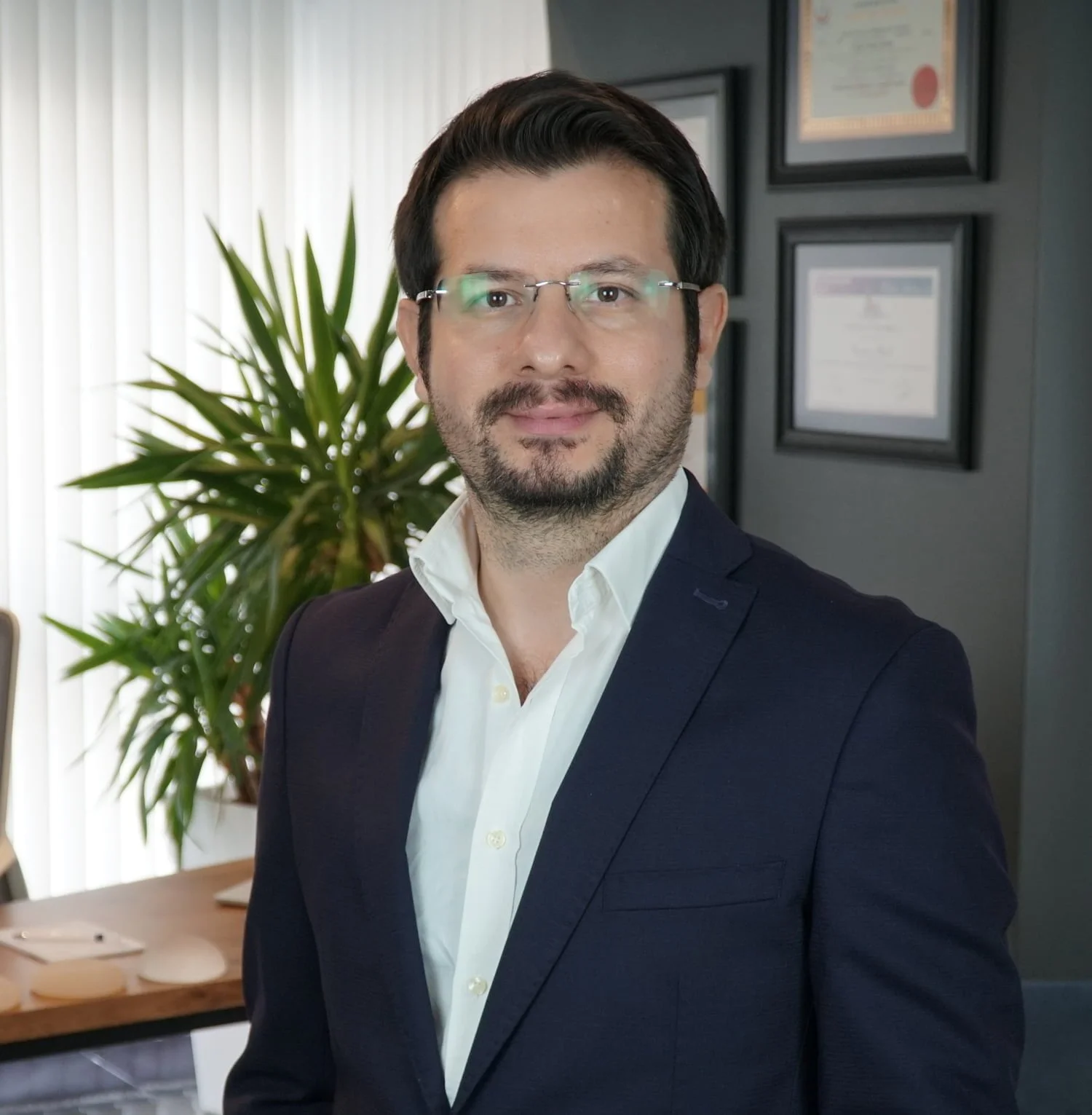
Op. Dr. Candan Mezili
What is Fat Transfer?
| Treatment Details | |
| Operation | Fat Injection Izmir |
| Procedure | It is used for the purpose of giving volume on the face or body. |
| Operation Time | 1-2 hours |
| Length of stay in hospital | 1 night |
| Anesthesia | General anesthesia |
| Early Recovery Period | 3-7 days |
| Back to Work | 1 week |
| Scars | No |
| Amount of Pain | Light |
Fat transfer is amongst the most widely used applications, with a wide range of applications. It is used to inject fat from the hip, thigh, and abdomen into specific areas of the body (face, cheek, forehead, under the eye, lip). Typically, the fat in the abdomen is removed.
According to the procedure, the fat removed from the arms and feet can also be used in injections. Special vacuums used in liposuction care are used to remove the fat. It is used to remove facial wrinkles, sagging under the eyes, raising the eyelids, and adding fullness to the lips, cheeks, gills, and in breast implant surgeries.
The goal is to remove excess fat from one area of the body, for instance the tummy or thighs, and use that to smooth or enlarge another, such as the breast tissue or bottom.
How is Fat Transfer Done?
Before fat transfer, the service user should not take any blood thinners such as aspirin. You should consult your doctor about general health issues and medication use.
The fat transfer procedure can be done under either general or regional anesthesia. The length of the operation fluctuates depending on the region to be operated, but operations typically last 1-2 hours. The operation is carried out with the patient\’s expectations in mind prior to the application. Fat injections are performed with thin cannulas depending on the shape of the area to be operated. The swelling that develops after the procedure will go away in 1-2 days. Temperature and steam must be kept out of the fat injection area.
Fat transfer concentration: The retention time in the treated area after fat transfer varies between 6 and 8 months. It is beneficial to repeat the fat injection procedure over time. Fat transfers around the eyes have a permanent effect. It is also known that injections with the workaround in the face, despite losing effect, prevent the effects of wrinkles over time. Although it loses the effect more quickly in areas with small muscle movements, it has a longer effect in areas with fewer mimic movements. Because it is a natural application, there are no allergies or side effects.
*We recommend filling in all fields to ensure the best response.
What Are Fat Transfer Risks?
A surgical fat transfer is relatively safe procedure, but it can occasionally result in the following complications:
- A blood collection beneath the skin (haematoma)
- Fat tissue death (fat necrosis)
- A blood vessel blockage caused by a piece of fat (fat embolism)
- Air leaking between your lungs and your chest wall (pneumothorax)
- Scars that are thick and visible, also known as hyperpigmentation
Any function also carries the possibility of:
- Excessive bruising
- Forming a blood clot in a vein
- Infection
- An anaesthetic allergic reaction
- The surgeon should explain the likelihood of these risks and complications, as well as how they would be addressed.
Other operations are occasionally required. In a surgical fat transfer encompassing the bottom (BBL), for example, additional surgery may be required because 50% of the injected fat does not survive or the desired volume could be achieved in one operation.
Is it Safe to Have Fat Transfer in Turkey?

Turkey has an excellent health care system, and statistics show that it is one of the top destinations for plastic surgery patients worldwide.
Furthermore, many people travel to Izmir to have fat transferred to their face, buttocks, and breasts. In Turkey, you may simply find a fat transfer specialist. To summarise, having a fat transfer in Izmir, Turkey is risk free.
Those who know these reasons prefer it. Thus, this information spreads from ear to ear. When this is the case, everyone learns that it is safe to have surgery here. As a result, you can be sure that your surgery will go through safely.
Types of Fat Injection In Izmir, Turkey
In order to add volume or improve contours, fat injection is a cosmetic procedure that involves taking fat from one area of the body and injecting it into another. Facelifts, breast augmentations, and buttock augmentations are a few of the popular fat injection procedures available in Izmir, Turkey. Each procedure can aid in achieving a more youthful and attractive appearance because it is made to target a particular area of the body.
It is crucial to remember that the outcomes of fat injection procedures can differ and might not be long-lasting. To discuss the advantages and disadvantages of the procedure, patients should speak with an experienced surgeon.
The importance of choosing a qualified surgeon
Selecting a licensed and experienced surgeon is essential when thinking about a fat injection procedure. A trained and skilled surgeon will be able to carry out the procedure safely and produce the best possible results. Additionally, they will be able to accurately inform you of the procedure\’s advantages and disadvantages so you can decide if it is the best option for you. A skilled surgeon will also guarantee that the procedure is carried out effectively, safely, and with the fewest possible complications.
Checking the clinic\’s licenses and certifications is also crucial. This will give you the assurance that you are where you should be and that a professional will be caring for you.
Why is Turkey Cheap for Fat Transfer?
Medical tourism is becoming increasingly popular in Turkey, where charges are 60% to 80% lower than in most Western European countries.
With its cosmetic clinics in Turkey, state of the art medical infrastructures, great service and sanitary quality, and highly competent surgeons trained in the best American or European plastic surgery, it has a worldwide reputation in this sector.
Despite Turkey\’s techniques and use of cutting edge medical technology, its prices are so low that it appeals to everyone. Is not it great that the price is very cheap, even though there are experienced surgeons? We think it is a great advantage for you.
How Much Does Fat Injection Cost in Izmir, Turkey?

Although there are many doctors in Izmir who are experts in this field, Izmir fat injection costs vary depending on the hospital where the surgery is performed and the doctor who performs the surgery.
The procedure of injecting fat into those areas to add fullness to various parts of the face and body is known by this name. This application is made on the cheeks, forehead, cheek-lip line, lips, chin tip, sunken areas on the hips, and legs, among other places.
Izmir holds a significant position in many different fields, including the health sector. Depending on the procedure, prices may change.
You can speak with our doctors, who are professionals in their fields, if you want to learn more about the cost of fat injections in Izmir.
Frequently Asked Questions
In which areas is fat injection used?
Fat injection is used in various medical and aesthetic fields. In facial rejuvenation, it is applied to add volume to areas such as the forehead (average 6.5 mL), temples (5.9 mL on each side), and nasolabial folds (2.8 mL on each side). It is also preferred in cheek, lip, and chin contouring procedures. In breast surgery, it is used in post-mastectomy reconstruction and for increasing breast volume. In buttock augmentation, especially with the Brazilian Butt Lift technique, it helps achieve the desired contours. Additionally, it is effective in correcting soft tissue defects due to trauma or congenital conditions and in enhancing skin quality thanks to the regenerative properties of adipose stem cells. The versatility and compatibility of autologous fat make it a valuable tool in both reconstructive and cosmetic procedures.
What techniques are applied during the procedure?
Fat injection (autologous fat grafting) involves harvesting fat from areas such as the abdomen or thighs via liposuction, purifying the fat cells using methods such as centrifugation or filtration, and injecting them into the target areas. The amounts of fat injected vary by region: forehead (6.5 mL), glabellar area (1.4 mL), temples (5.9 mL on each side), eyebrows (5.5 mL on each side), upper eyelids (1.7 mL on each side), tear trough (0.65 mL on each side), infraorbital area (1.4 mL on each side), midface (1.4 mL on each side), nasolabial folds (2.8 mL on each side), mandibular area (11.5 mL on each side) and chin (6.7 mL). Micro fat grafting, nano fat grafting, and sharp-needle emulsified fat (SNIF) injection techniques are used to improve fine wrinkles and skin quality, with results lasting over one year. Fat grafting methods using adipose-derived stem cells (ADSC) demonstrate higher graft retention rates and fewer complications compared to traditional methods. The complication rate for facial fat grafting is approximately 2%, with patient satisfaction exceeding 90%.
Are the results of fat injection permanent?
The results of fat injection can be permanent, but their longevity depends on several factors. When the correct technique is used, a significant portion of the transferred fat can survive in the long term; for example, a study conducted in 1995 showed that fat grafts remained intact over a five‐year follow‐up period. However, not all injected fat cells survive; this rate can vary between 40% and 60% depending on the procedure’s precision and the individual’s response. Factors such as the fat harvesting method, processing, and injection technique critically influence the success and longevity of the fat transfer. Even though the surviving fat cells are permanent, the natural aging process may gradually affect the overall volume over time.
What is the post-injection recovery process like?
The recovery process after fat injection typically begins with a decrease in swelling and bruising in both the donor and recipient areas within the first two to three weeks; final results appear after two to three months. Patients generally experience mild discomfort, which can be managed with over-the-counter pain relievers; depending on the extent of the procedure, they may be able to return to work within a few days. Adhering to the surgeon’s post-operative care instructions, such as avoiding strenuous activities, is important to enhance recovery and improve fat graft survival. Minor complications such as infection or asymmetry are rare, and choosing an experienced surgeon can further minimize these risks.
In which cases might fat injection need to be repeated?
Repeat fat injections may be necessary depending on the fat processing technique used; for example, the decantation method is associated with a higher repetition rate (39.9%), whereas closed washing and filtration methods have lower rates (29.6%). Patients with a body mass index above 30 kg/m² or those receiving more than 75 mL of fat injection are more prone to fat necrosis and may require additional treatment. Radiated breasts typically require larger fat graft volumes (89.9 mL versus 72.4 mL) and a greater number of procedures (an average of 1.62 versus 1.47). Additionally, since approximately 50% of the injected fat is naturally absorbed in the long term, volume loss may occur over time and additional injections may be necessary to achieve the desired result.
Fat Transfer in Turkey Reviews
Our Certificates