Deutsch
 Türkçe
 Español
 Nederlands
 Français
 Svenska

Post-bariatric body contouring in Turkey is a surgical approach designed for patients who have undergone massive weight loss and are left with excess, sagging skin. The procedure combines techniques such as abdominoplasty, arm lift, thigh lift, and breast lift to restore body shape, improve comfort, and enhance aesthetics.
Post-bariatric body contouring cost in Turkey is significantly more affordable than in many Western countries while maintaining high standards of safety and quality. Prices vary depending on the number of procedures required, the complexity of the surgery, and the inclusion of aftercare services in the treatment plan.
Post-bariatric body contouring recovery in Turkey usually takes several weeks, depending on the extent of the surgery. Patients may experience swelling, bruising, and limited mobility initially. Following medical advice, wearing compression garments, and attending follow-up appointments are essential for successful healing.
Post-bariatric body contouring packages in Turkey often include surgical planning, anesthesia, hospital stay, post-operative monitoring, and follow-up care. Clinics provide personalized programs for international patients, ensuring safe treatment conditions, professional medical support, and improved quality of life after weight loss.
Izmir Plastic and Aesthetic Surgery
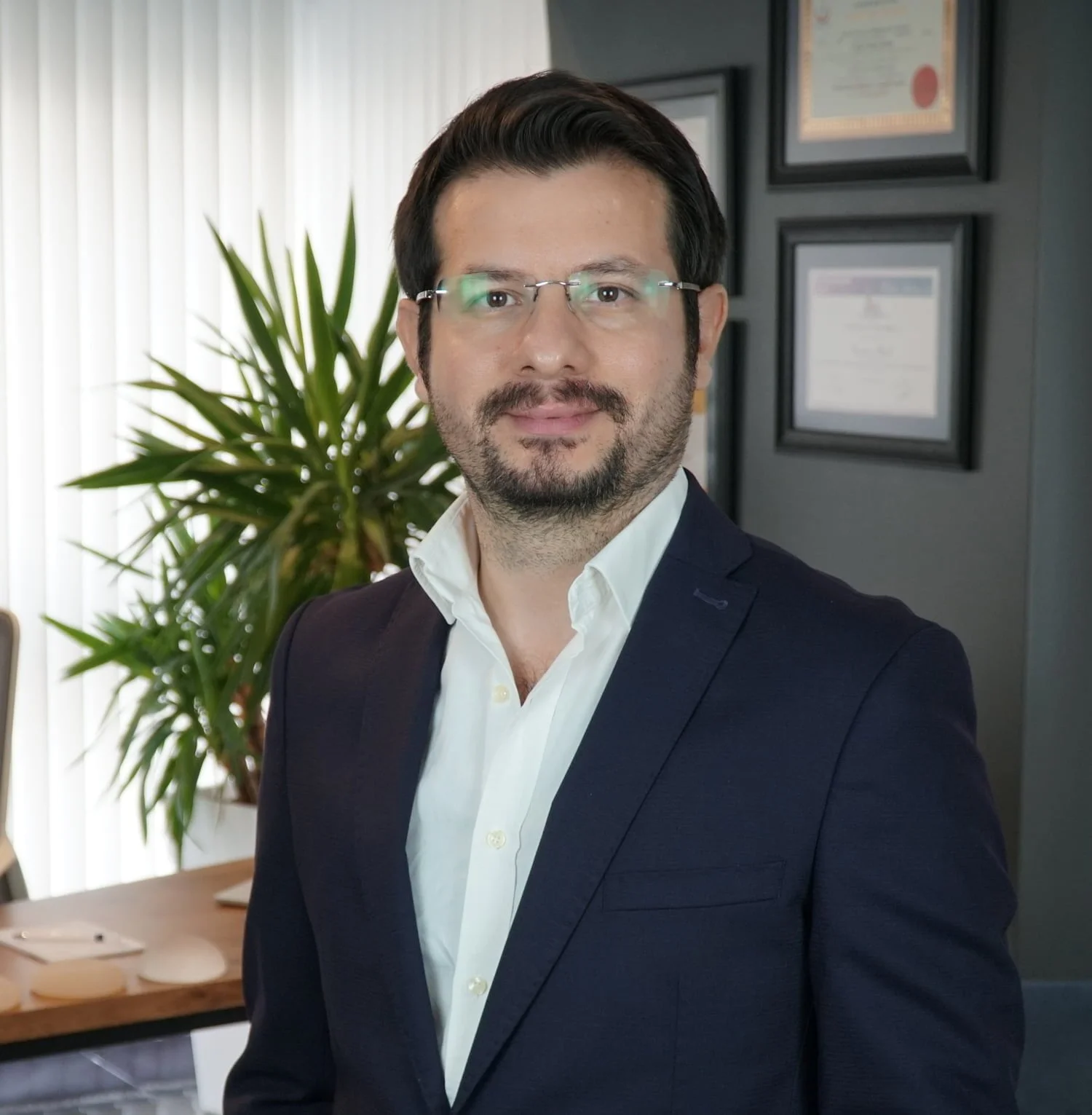
Op. Dr. Candan Mezili
I graduated from Ankara University Faculty of Medicine in 2005, and in the same year, I began my specialization training in Plastic, Aesthetic and Reconstructive Surgery at Ege University Faculty of Medicine. The ability to reshape and use imagination in plastic surgery were the key factors that directed me to this field. During my specialization, I had the opportunity to perform countless surgeries with many esteemed professors. I am currently practicing in my own clinic in Izmir.
What is Post-Bariatric Body Contouring?
| Treatment Details | |
| Operation | Aesthetics After Weight Loss Izmir |
| Procedure |
It is a variety of surgeries performed to correct sagging that occurs after gastric sleeve surgeries or diet and weight loss.
|
| Operation Time | Depends on the surgery to be done |
| Length of stay in hospital | 1-2 nights |
| Anesthesia | General anesthesia |
| Early Recovery Period | 7 days |
| Back to Work | 2-3 weeks |
| Scars | It varies according to the surgeries to be performed. Usually long |
| Amount of Pain | Light/Moderate |
It is done after you have lost a significant amount of weight. This procedure removes excess skin folds and surrounding tissue. This creates smoother contours on your body.
When people gain a substantial amount of weight, their skin stretches gradually over time. If you gain a great deal of weight, your skin may lose its elasticity and fail to spring back into place. This can cause unnecessary skin folds of tissue.
This tissue can be found on your stomach area, thighs, hands, chin, and breasts. This could have occurred after you lost weight following weight loss surgery. The majority of people who have recently undergone weight loss surgery are curious about body-contouring surgery.
A cosmetic doctor cuts excess tissue during this procedure. Your surgeon, for example, may make a cut about your midsection.
This is done to remove excess skin and fat from the area. Your surgeon may indeed make cuts to push up your breasts or remove excess tissue from your arms or thighs, depending on your needs. Your surgeon and after that sews the remaining tissue back together. This results in a smoother contour.
Bariatric Surgery and Aesthetic Surgery After Weight Loss
Bariatric Surgery (obesity surgery) is a group of surgical procedures that provides a person to lose weight quickly. Bariatric Surgery operations are extremely serious operations and are performed by general surgeons. After these surgeries, the patients quickly lose weight and recover their health.
However, skin excess occurs in weight-lost patients. Aesthetic surgeries are performed to relieve the bad appearance due to this sagginess. In order to be able to perform these surgeries, a certain period must pass after obesity surgery, and the patients\’ metabolic status has stabilized and their weight loss has to be completed.
This period is usually at least 1 year. After a bariatric surgery, a series of surgeries can be performed to relieve the sagginess of the patients who lose weight and correct the parts of the body that are deformed. When these surgeries are planned, the needs, health status and age of the person are counted.
Usually, surgery is required in more than one region, and these surgeries can be combined. After bariatric surgery, the person has attained a thin body by weight loss, but in many patients the skin, which has widened when overweight, cannot adapt to the slim new body and skin sagging occurs. This is like being medium (M) size and wearing XXL clothes, of course the clothes will not look good.
At this point, post-obesity aesthetic surgery enters the circuit. Body shaping and contouring are done by a series of operation and excess skin is removed. Surgical scars are placed in areas that are not visible as far as possible.
*We recommend filling in all fields to ensure the best response.
Cosmetic Operations After Weight Loss
- Face and neck lift
- Fat injection
- Arm lift
- Breast alift
- Breast augmentation and lift
- Back lift
- Abdominoplasty (Tummy Tuck)
- Abdominoplasty and circumferential abdominoplasty
- Body lift
- Thigh Lift
Why is Turkey the Best Option for Post-Bariatric Body Contouring Surgery Compared to Abroad?
It is done after you have lost a significant amount of weight. This procedure removes excess skin folds and surrounding tissue. This creates smoother contours on your body.
When people gain a substantial amount of weight, their skin stretches gradually over time. If you gain a great deal of weight, your skin may lose its elasticity and fail to spring back into place. This can cause unnecessary skin folds of tissue. This tissue can be found on your stomach area, thighs, hands, chin, and breasts. This could have occurred after you lost weight following weight loss surgery. The majority of people who have recently undergone weight loss surgery are curious about body-contouring surgery.
A cosmetic doctor cuts excess tissue during this procedure. Your surgeon, for example, may make a cut about your midsection. This is done to remove excess skin and fat from the area. Your surgeon may indeed make cuts to push up your breasts or remove excess tissue from your arms or thighs, depending on your needs. Your surgeon and after that sews the remaining tissue back together. This results in a smoother contour.
How to do Post-Bariatric Body Contouring?
Our surgeon will go over the specifics of your surgery with you. The surgery will be performed by your surgeon or a team of nurses. You can expect the following in general:
A health provider will administer general anesthesia to you. This is done in order for you to sleep through the protocol and not feel anything. In rare cases, you may be given spinal anesthesia as well as a sedative. You will be awake in this case.
Someone will be keeping a close eye on your heart rate, pulse, and other vital signs.
Antibiotics will be administered both during the surgery. This is to aid in the prevention of infection.
Your doctor cuts a cut in the contoured area. This can be performed in your midsection. This is done to remove any excess skin and tissue.
Your operator will try to conceal your scar as much as possible.
The skin is surgically reconnected by your surgeon. This will result in a smooth contour.
If necessary, your surgeon will repeat the procedure on even a different part of your body. This could be done in a set of surgeries instead.
Your wounds will be dressed by someone.
What are the Risks of Post-Bariatric Body Contouring?
Body contouring is a relatively safe protocol, but it is not without risks. People who have lost a significant amount of weight might be at higher risk of complications than those who are having this procedure done for other reasons. Among the complications of this surgery are:
- Clots of blood form. Clots in the leg veins are one example (DVT). These clots have the potential to travel to your lungs (pulmonary embolism).
- Wound healing complication
- Infection
- Significant bleeding
- Damage to the nerves
- Anesthesia complications
- Pain that will not go away
- Surgery may also fail to produce the desired results. You may need a second surgery to correct this.
Is it Safe to Have Post-Bariatric Body Contouring in Turkey?

- Dr. Candan Mezili is doing operation in Izmir, Turkey

Body contouring is generally a safe operation, however there are certain hazards involved. People who have lost a significant amount of weight may be at a higher risk of complications than those who have had this surgery for other reasons.
This operation has resulted in several problems. But these are not things to be concerned about. These are typically determined by the doctor doing the surgery and you. The operation, however, is risk-free.
Your risks are determined by your age, weight loss, overall health, and the amount of tissue that needs to be removed. Inquire with your surgeon about the dangers that may apply to you.
Types of Post-Bariatric Body Contouring In Izmir, Turkey
A type of surgery called post-bariatric body contouring is done on patients who have lost a significant amount of weight but still have excess skin and fat. A variety of post-bariatric body contouring procedures are frequently carried out in Izmir, Turkey. These consist of Abdominoplasty, also referred to as a \”tummy tuck,\” involves the removal of extra skin and fat from the abdomen.
The procedure known as brachioplasty removes extra skin and fat from the upper arms. Thigh lift, which slims the thighs by removing extra skin and fat. a body lift that eliminates extra skin and fat from the abdomen, thighs, and buttocks, among other body parts.
Recovery and aftercare for post-bariatric body contouring
Post-bariatric body contouring includes important elements like recovery and aftercare. Patients will need time to rest and recover after surgery. There may be some pain and swelling, but these side effects are manageable with painkillers and compression clothing. It is crucial that patients adhere to their surgeon\’s instructions regarding activity restrictions and follow-up appointments. After surgery, the majority of patients can go back to work in 2–4 weeks, but a full recovery may take several months.
To ensure the best results, patients should maintain a healthy lifestyle during their recovery. This includes eating a balanced diet and exercising frequently.
How Many People Get Post-Bariatric Body Contouring in Turkey?
According to a study by Reiffel, Alyssa J. MD, and colleagues, a notable aspect of post-bariatric patient care involves considering post-bariatric contouring procedures. These procedures are relevant following significant weight loss after bariatric surgery. However, despite the potential benefits, the study found that only a tiny percentage of patients who undergo bariatric surgery choose to have body contouring afterward. Specifically, the research revealed that merely 11.6% of post-bariatric patients opted for body contouring procedures.
What is The Success Rate of Post-Bariatric Body Contouring in Turkey?
Post-bariatric body contouring, as researched by Charles K. Herman, MD, FACS; Ari S. Hoschander, MD; and Anselm Wong, MD, presents various complication rates. Wound healing issues occur in 46% of nonsmokers and 69% of smokers. Partial wound dehiscences are reported in 16-33% of patients. Hematoma and seroma formation have incidences of 4.7% and an average of 13%, respectively. Smokers show a higher seroma rate (22%), and those undergoing multiple procedures have an increased risk (18.6% vs. 4.1% for single procedures). Infections occur in less than 10% of cases, ranging from 3.5% to 7.7%. Skin necrosis rates vary from 6% to 10%, with smokers experiencing a higher rate (19.4%), as do patients undergoing multiple procedures (9.5% vs. 2.4%). Venous thromboembolism risks are elevated in obese patients, underscoring the need for prevention. These statistics suggest the success of post-bariatric body contouring is significantly influenced by patient factors such as smoking status and procedure extent.
Why is Turkey the Cheap for Post-Bariatric Body Contouring?

- All-inclusive-package for cosmetic surgery in Turkey

Let\’s take a look at them first and then explain why they\’re so cheap. There are numerous factors that might influence the overall cost of surgery, including:
- Hospital location and kind
- A surgeon\’s fee
- The seriousness of the patient\’s condition
- Room classification
- Recovery time after post-bariatric surgery
- Long term treatments
| Country | Average Cost of Post-Bariatric Body Contouring Surgery (EUR) |
|---|---|
| Germany | €12,000 – €40,000 |
| United Kingdom | €10,000 – €32,000 |
| France | €11,000 – €36,000 |
| Italy | €10,000 – €32,000 |
| Spain | €8,000 – €28,000 |
| Netherlands | €12,000 – €40,000 |
| Switzerland | €15,000 – €50,000 |
| Belgium | €11,000 – €36,000 |
| Turkey | €6,000 – €9,000 |
The overall cost of full body lift surgery in Turkey includes drugs, hospitalization, and other expenses. Even when expenses are deducted, it is quite cost effective.
The cost varies between hospitals depending on a variety of criteria, but usually remains within an acceptable range. This is because of economic principles.
Frequently Asked Questions
What issues do post–weight loss aesthetic procedures correct?
Post–weight loss aesthetic procedures generally target the removal of excess skin, sagging tissues, and residual fat deposits that result from weight loss. Procedures such as abdominoplasty (tummy tuck), brachioplasty (arm lift), thigh lift, mastopexy (breast lift), and facelift improve body contours by removing excess skin in these areas. These procedures not only enhance physical appearance but also alleviate discomfort, prevent hygiene problems, and boost self-confidence. However, these procedures carry certain risks and require a detailed evaluation by experienced specialists.
What are the most commonly performed procedures?
The most frequently performed post–weight loss aesthetic procedures include abdominoplasty (tummy tuck), mastopexy (breast lift), brachioplasty (arm lift), thigh lift, and lower body lift surgeries. According to the American Society of Plastic Surgeons, in 2020 there were 46,577 body contouring procedures performed in the USA following significant weight loss. These operations aim to remove excess skin and fat from the abdomen, arms, legs, and hip areas, while procedures addressing skin laxity on the face, such as facelifts, are also performed. The demand for these aesthetic interventions has increased along with rising obesity rates and subsequent weight loss efforts.
What is the post-operative recovery process like?
The recovery period after post–weight loss aesthetic procedures depends on the type of surgery performed and individual factors. Typically, bandages and compression garments are used, and surgical drains may be placed. Pain and swelling are common, with swelling potentially lasting for weeks or even months. Assistance at home may be required during the first 24 hours, and strenuous activities, particularly heavy lifting, should be avoided for 4–6 weeks. Those with small children should arrange for childcare for at least two weeks. To reduce tension on the sutures and promote better healing, sleeping positions may need to be adjusted. Any signs of complications such as increasing swelling, redness, discharge, fever, dizziness, or shortness of breath should be monitored carefully and discussed with the surgeon. The recovery duration varies from person to person, and following the surgeon’s post-operative care instructions is essential for a speedy recovery.
How long are the results maintained?
The results of post–weight loss aesthetic procedures are generally long-lasting as long as the weight is maintained and overall health is preserved. The outcomes of procedures like abdominoplasty are permanent provided there are no significant weight changes or pregnancies. However, the body continues its natural aging process over time. In procedures involving implants, such as breast augmentation, it should be noted that implant replacement may be necessary in the future. Therefore, maintaining a stable weight and a healthy lifestyle is important to preserve the benefits of these aesthetic interventions over the long term.
What techniques are used to prevent skin sagging?
To prevent sagging after weight loss, it is important to limit the rate of weight loss to 1–2 kilograms per week so that the skin’s elasticity is preserved. Regular resistance training exercises help build muscle mass, filling out the skin from underneath and creating a firmer appearance. Drinking sufficient water maintains the skin’s moisture and elasticity. A diet rich in vitamin C, vitamin E, zinc, and omega-3 fatty acids supports collagen production and improves skin health. Using sunscreen protects the collagen and elastin fibers in the skin from damage. Not smoking also supports collagen production and helps prevent skin sagging. Individuals experiencing significant skin sagging may benefit from medical treatments such as radiofrequency or microneedling, or even surgical interventions.
Post-Bariatric Body Contouring in Turkey Reviews
Our Certificates