Deutsch
 Türkçe
 Español
 Nederlands
 Français
 Svenska

Abdominoplasty (tummy tuck) in Turkey is a surgical procedure designed to remove excess skin and fat from the abdominal area while tightening weakened muscles. It is often chosen after significant weight loss or pregnancy to achieve a flatter, firmer, and more toned midsection with improved body contours.
Abdominoplasty cost in Turkey is considerably lower than in many Western countries, making it an attractive option for both local and international patients. The total price can vary depending on the extent of the procedure, hospital facilities, and any additional treatments performed at the same time.
Abdominoplasty results in Turkey are long-lasting, provided patients maintain a stable weight and healthy lifestyle. The surgery delivers a smoother abdominal profile, enhances self-confidence, and often improves posture by strengthening core muscles during the tightening process.
Abdominoplasty reviews in Turkey emphasize patients’ satisfaction with the dramatic yet natural improvements achieved. Candan Mezili is one of the best surgeon for abdominoplasty in Turkey, offering customized treatment plans and precise surgical techniques for safe and aesthetically pleasing outcomes.
Izmir Plastic and Aesthetic Surgery
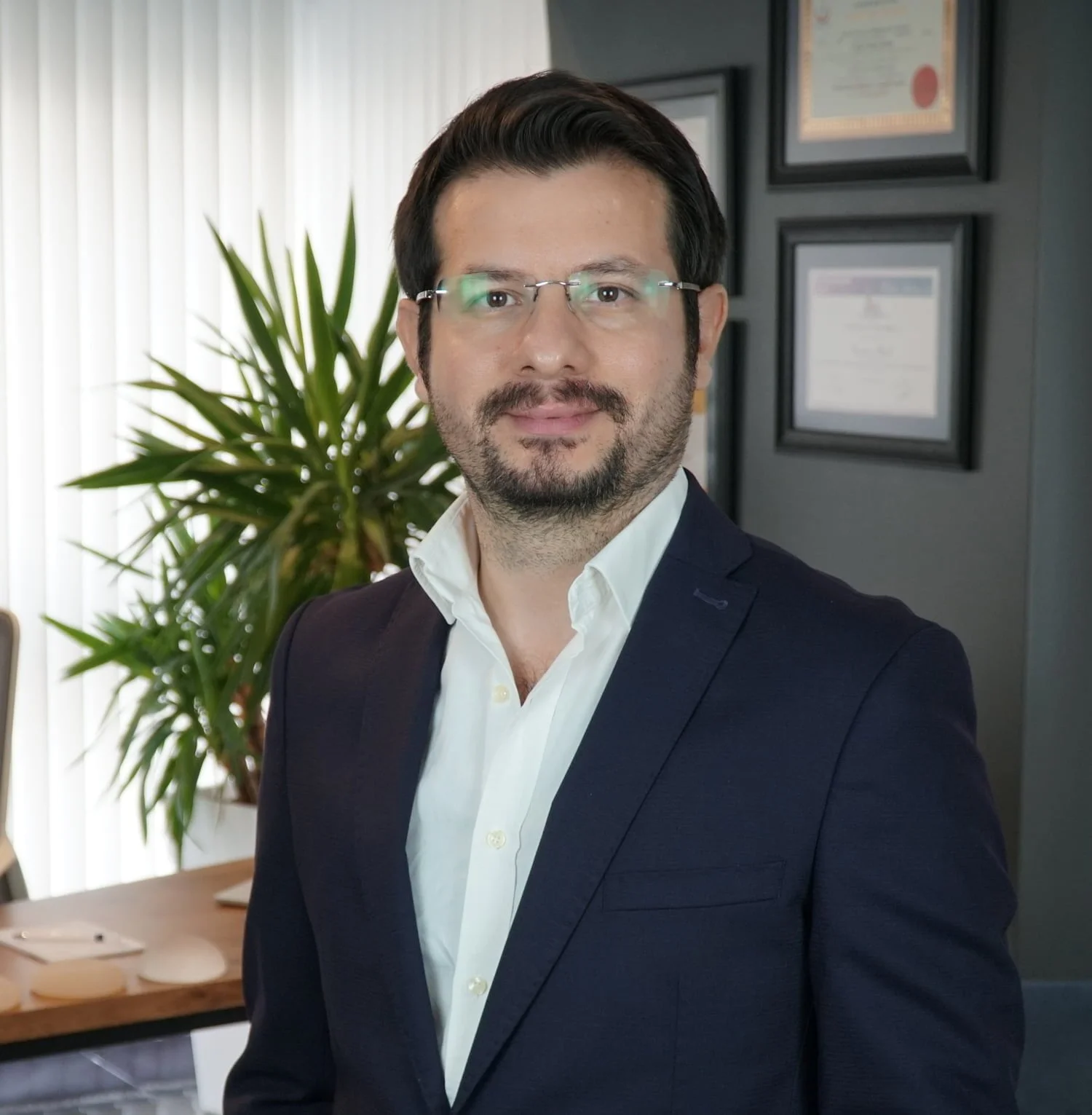
Op. Dr. Candan Mezili
I graduated from Ankara University Faculty of Medicine in 2005, and in the same year, I began my specialization training in Plastic, Aesthetic and Reconstructive Surgery at Ege University Faculty of Medicine. The ability to reshape and use imagination in plastic surgery were the key factors that directed me to this field. During my specialization, I had the opportunity to perform countless surgeries with many esteemed professors. I am currently practicing in my own clinic in Izmir.
What is Tummy Tuck?
| Treatment Details | |
| Procedure: | improves body countoursand rectus diastasis |
| Duration: | 3 hours |
| Stay: | 2 nights hospital, 5 nights hotel |
| Anesthesia: | general anesthesia |
| Recovery: | 2-3 weeks get back to work |
| What to bring: | comfortable clothes |
| Side Effect: | swelling bruising, ,numbness |
| Exercise: | 3-4 weeks |
| Scars: | longer scar, under bikini |
| Pain: | moderate-high |
| Results: | immidiate, 6 months late results |
Tummy Tuck or Abdominoplasty is a cosmetic surgeries procedure that results in a firmer, thinner abdomen by removing excess skin and fat from the middle and lower abdomen in order to tighten the muscle. However, you should be aware that tummy tuck surgery is not a weight loss procedure; it only removes excess skin and fat, making it more appropriate for patients who complain of excess skin, such as women after giving birth. Tummy tuck surgery, in general, can:
- After pregnancy, remove any excess skin.
- After losing weight, remove any excess skin
- Tighten the sluggish abdominal muscles
- Repair stomach muscles that have separated for an unknown reason
In some cases, the paediatrician or medical team may recommend liposuction to achieve more pleasing results, as liposuction helps contour the body, allowing you to achieve the perfect shape.
Tummy Tuck Types
During your consultation for tummy tuck surgery, your surgical team will examine the condition of your skin and tissue to evaluate which of the following tummy tuck procedures is best suited to your needs.
- Standard Tummy Tuck
This is the most common tummy tuck procedure, focusing on reshaping and toning the lower abdominal area. It is extremely common in women who have undergone pregnancy and childbirth.
An incision is usually made above the pubic area below the belly button, spanning from hip to hip, allowing for the best removal of excess skin and fatty tissue.
Liposuction is then used to contour and flatten the lower abdominal area. It also reshapes this same underlying abdominal wall, which causes the abdominal muscles to tighten at the same time.
In a standard tummy tuck, the belly button is often repositioned to create a more symmetrical and natural appearance. If you had a C-section during your pregnancy, it can be reused to reduce any additional scarring. Undergarments or a bathing suit can conceal the majority of traditional tummy tuck incisions.
- Mini Tummy Tuck
A mini tummy tuck targets the area of the tummy beneath the navel. Your plastic surgeon will make a single osteotomy at the bikini line, which will be easily hidden beneath a swimsuit.
As he softens and adjusts the skin, he will stretch it downward. This type of tummy tuck is appropriate if you also need muscle going to tighten to correct a minor pooch. Women who want to correct physical changes caused by pregnancy are excellent candidates for a mini tummy tuck.
- Full Tummy Tuck
Because it focuses on the entire midsection, this is the most common type of tummy tuck procedure. Your surgeon will make two incisions, the first in the lower abdomen and the second around the navel.
Though scarring is more visible, these incision sites that allow your surgeon to remove flabby skin from both the upper and lower abdomen. He will also fasten your abdominal muscles to give you a more muscled midsection.
Many patients benefit from this type of tummy tuck, including post-pregnancy women who have lost a lot of weight and are unhappy in how their bodies have changed due to genetics or aging.
- Tummy Tuck Extended
An elongated tummy tuck was mostly commonly performed on patients who require significant skin removal. This usually happens after a significant weight loss.
Your surgeon will make a single incision that will wrap around your abdomen and reach your hips. With such a large incision, he is able to tighten the skin evenly across the tummy.
It may leave a bigger scar than other procedures, which may be difficult to conceal under intimate clothing.
- BodyTite
BodyTite is a keywords that are relevant liposuction (RFAL) procedure that employs cutting-edge technology to aid in the removal of stubborn fat for a smoother, slimmer appearance.
A thin tube, known as a cannula, is inserted under the skin during this procedure, while an electrode is placed on the outer surface. The electrode’s radiofrequency waves melt the fat, making it easier to remove.
These waves heat the skin, stimulating collagen growth and tightening the skin. This procedure is performed in tandem with liposuction.
*We recommend filling in all fields to ensure the best response.
How to Make Tummy Tuck?
First and foremost, you must follow the instructions for eating, getting drunk, and taking medicine 24 hours before your surgery. The doctor will draw contours and lines on your abdomen on the day of the surgery to mark the areas that will be treated and the skin that will be cut. You will go over everything with the doctor to make sure you comprehend everything.
Following that, and prior to the start of the surgery, you will be given anaesthetics, which are usually general, but the medical team may also give you a local anaesthetic. It is simply not to feel pain in either case, so do not be concerned. Then comes the incisions. There are also several techniques for tummy tuck surgery, and your general practitioner should determine which one is best for you and where the incision should be made based on the type of tummy tuck you have. In any case, the following are the different types and strategies of tummy tuck surgery:
- Abdominoplasty in its entirety
- Mini abdominal surgery
- Abdominoplasty with fleur de lis
- Abdominoplasty (endoscopic)
What are the Risks of Tummy Tuck?
There are several risks associated with a tummy tuck, including:
Fluid accumulation below the skin (seroma). By leaving sewerage tubes in place after surgery, excess fluid can be reduced. After surgery, your doc may also use a needle and a syringe to remove fluid.
Wound healing is insufficient. Areas close to the incision line may cure poorly or separate. To prevent infection, antibiotics may be given during and after treatment.
That was unexpected scarring. The scar from either tummy tuck procedure is perpetual, but it is tucked away along the bikini line. The length and visibility of the scar vary from individual to individual.
Tissue damage. During a tummy tuck, fatty tissue deep beneath the skin in the stomach area may be damaged or killed. Tobacco use increases the likelihood of tissue damage. Tissue may heal in its own time or necessarily involve surgical repair depending on the size of the wound.
Skin sensation shifts. During a tummy tuck in izmir, the positioning strategy of your abdominal tissues can affect the nerves in the abdominal area but also, in rare cases, the upper thighs. You will also most likely experience sensory deprivation or numbness. This usually goes away within a few months of the procedure.
Why is Turkey the Best Option for Tummy Tuck Surgery Compared to Abroad?
Tummy tuck surgery in Turkey is the most popular cosmetic surgery in Turkey because Turkey has the best position in the field of cosmetic operations, particularly tummy tuck surgery, and its efforts to be the best in this field of cosmetic surgeries, both east and west alike.
Tummy tuck in Turkey we also known as abdominoplasty is a cosmetic operation that reduces creases from the abdominal and waist areas by dissolving fat beneath the skin and subsequently raising the abdomen muscles, depending on the newest tummy tuck techniques employed.
Actually, there is no need to show much to choose Turkey. A little research will settle everything.
Is Turkey Good for Tummy Tuck?
Turkey is an appealing destination for tourists from all over the world seeking treatment, and it holds the highest position in medical tourism since its volcanoes erupted, resulting in the mixing of clay with healing and the mixing of water with minerals, which aids in the treatment of allergic diseases, in addition to the flow of springs (hydrology) and its hot groundwater, which aids in the treatment of rheumatic diseases.
Therefore, treatments give good results. When this is the case, we think you don’t need to ask if it’s okay. Are you wrong? Turkish doctors do their job very well. You will be able to understand this from the success of your surgery.
Is it Safe to Have Tummy Tuck in Turkey?

- Dr. Candan Mezili is doing operation in Izmir, Turkey

It is safe to have belly tuck surgery in Turkey. The reason for this is that Turkey has a strong healthcare system, with highly educated medical professionals working in the cleanest operating rooms.
Further, because the clinics have the most affordable prices, they see a significant volume of patients and procedures every day, implying a huge amount of experience.
This much experience brings security with it. Turkish specialists add experience to their experience with each operation. Therefore, a very safe operation is waiting for you. Of course, every tummy tuck surgery has risks. But the realization of this risk depends on your doctor.
How many people get Tummy Tuck in Turkey?
According to the American Society of Plastic Surgeons, there has been a notable increase in body-related surgeries since 2019. Specifically, procedures such as liposuction, tummy tuck, and arm and lower body lifts have collectively seen a 25% increase. In total, 576,485 such surgeries were performed. However, the exact number of tummy tuck surgeries among these needs to be specified in the provided data. This surge in body-related surgical procedures highlights a growing trend in cosmetic surgery, reflecting changing societal attitudes and possibly advancements in surgical techniques.
What is the Success Rate of Tummy Tucks in Turkey?
In a study by the American Society of Plastic Surgeons, people who have undergone a tummy tuck, medically known as abdominoplasty, typically express high levels of satisfaction, with an average rating of 9/10 in terms of aesthetic results. This level of contentment is notably higher than the average satisfaction score of 8/10 reported by those who have chosen liposuction alone. Interestingly, combining liposuction with a tummy tuck further elevates patient happiness, with satisfaction rates soaring above 99%. These figures underscore the effectiveness of these procedures in improving the physical appearance and the overall life quality of the patients. The consistently high satisfaction scores across different regions reflect a globally acknowledged standard of success for these types of cosmetic surgeries.
Why is Turkey Cheap for Tummy Tuck?
The Turkish economy strives to offer a competitive price that is appealing to many and accessible to everyone.
Turkey is distinguished by its low cost of all cosmetic surgeries, particularly tummy tuck, when compared to European countries, which offer a close fraction of quality excellence, and the Arabian Gulf countries, which get their cosmetic surgeons from abroad, resulting in a high price, but Turkey is dependent on Turkish cosmetic surgeons due to the high quality of education in the field of cosmetic surgeries in Turkey, resulting in a low cost.
With what we said, we are explaining why it is cheap.
How Much Does the Abdominoplasty Cost in Izmir, Turkey?

- All-inclusive-package for cosmetic surgery in Turkey

| Country | Average Cost of Tummy Tuck (EUR) |
|---|---|
| Germany | €8,000 – €20,000 |
| United Kingdom | €6,000 – €16,000 |
| France | €7,000 – €18,000 |
| Italy | €6,000 – €16,000 |
| Spain | €5,000 – €14,000 |
| Netherlands | €8,000 – €20,000 |
| Switzerland | €10,000 – €26,000 |
| Belgium | €7,000 – €18,000 |
| Turkey | €4,000 – €8,000 |
Prices for tummy tucks in Izmir vary because more procedures are done here than in other locations. Both tummy tuck costs Izmir are more reasonable when compared to other cities, and those who have had the procedure report that it produced better results.
Additionally, Izmir stands out in this field due to the fact that patients from Turkey and other countries prefer to have this operation performed by Izmir surgeons. Izmir, like many other important cities, is a hub for the medical community.
Izmir is at the top of this list if you want to receive the best care and treatment. Our doctors, who are authorities in their fields, can provide you with information about tummy tuck costs in Izmir.
Frequently Asked Questions
Who is abdominoplasty suitable for?
Candidates for abdominoplasty (tummy tuck) are those who are in good general health, have a stable weight, and possess realistic expectations about the outcomes. Ideal candidates typically exhibit excess skin and fat accumulation in the abdominal area after pregnancy, aging, or significant weight loss, and may also experience weakness or separation of the abdominal muscles. Non-smokers, or those willing to quit smoking before and after surgery, are preferred since smoking can negatively affect healing. It is recommended that women complete family planning prior to surgery, as future pregnancies may impact the results. Also, note that abdominoplasty is a body contouring procedure rather than a weight loss method.
What techniques are applied during the procedure?
Abdominoplasty is performed using several different techniques. The standard or full abdominoplasty involves the removal of excess skin and fat from the abdominal area and tightening of the abdominal muscles. Mini abdominoplasty focuses on the lower abdomen below the navel, using a smaller incision and less muscle tightening. Extended abdominoplasty targets both the abdomen and lateral areas, removing excess skin and fat from the waist and hip regions. Circumferential abdominoplasty is typically performed after massive weight loss and addresses excess skin and fat around the entire waistline. These procedures are often combined with liposuction to achieve a smoother contour. The chosen technique depends on the amount of excess skin, muscle laxity, and the patient’s goals.
Will the scars in the abdominal area be prominent after surgery?
Scars after abdominoplasty are typically located horizontally just above the groin line on the lower abdomen and may extend from hip to hip depending on the surgical technique used. Initially, these scars may appear red or pink and slightly raised, but they generally flatten and fade within 6 to 12 months. The visibility of the scars depends on the individual’s healing process, skin type, and adherence to post-operative care instructions. Proper wound care, sun protection, and the use of recommended scar treatments can significantly reduce scar visibility. Additionally, surgeons place incisions in areas that can be easily concealed under underwear or a swimsuit for a more discreet appearance in daily life.
When can exercises be resumed after abdominoplasty?
After abdominoplasty, a gradual plan is followed for returning to exercise: Light walking is recommended during the first 1–2 weeks to boost circulation; in weeks 3–4, light cardio and stationary biking can be resumed without putting stress on the abdominal area; in weeks 5–6, light weight lifting and upper body exercises may be introduced while avoiding abdominal strain; in weeks 7–8, with doctor approval, gentle abdominal exercises such as Pilates or yoga can be started; and by weeks 9–12, you can gradually return to a full exercise routine that includes planks and crunches. It is important to follow your surgeon’s advice at every stage.
How long are the effects of the procedure maintained?
The results of abdominoplasty are generally long-lasting, as the removal of excess skin and fat is permanent, provided the weight remains stable. However, the natural aging process and significant weight fluctuations can affect the durability of the results. Major complications are rare, occurring in approximately 4% of cases, though some patients may experience issues such as scar tissue formation, changes in sensation, or, rarely, hernias years later. Maintaining a healthy lifestyle and attending regular follow-up appointments help preserve the benefits of the surgery.
Tummy Tuck in Turkey Reviews
Our Certificates